Rosacea: Redness, Bumps, Visible Vessels and Treatment
Part of: Skincare
Rosacea can look like persistent redness, flushing, acne-like bumps or visible vessels. Each pattern changes what treatment should target.
Rosacea & Redness · 1 min read · August 22, 2026
Written and medically reviewed by Dr. Yousef Abo Zarad · German board-certified dermatologist · Last reviewed: August 2026
Rosacea does not look the same in everyone
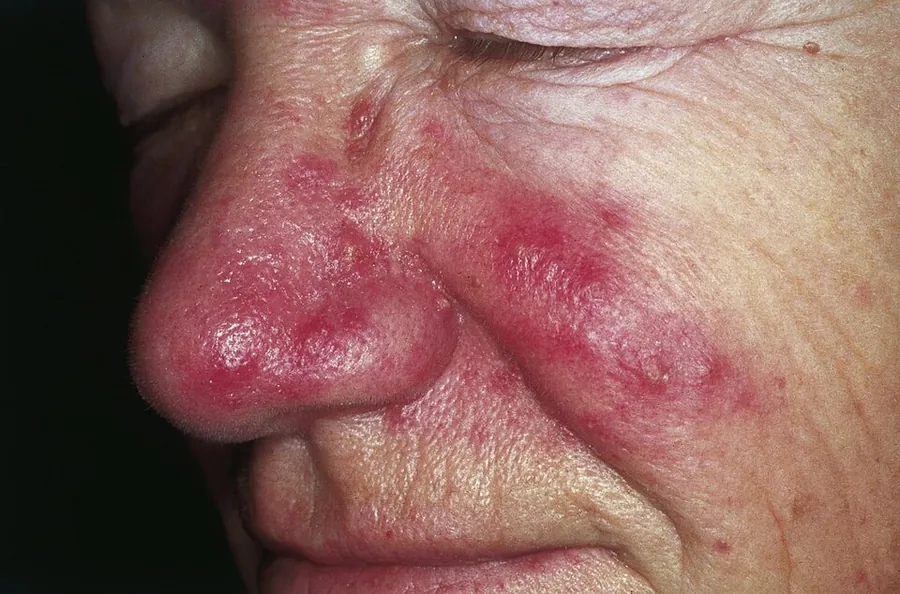

- Episodes of facial flushing and heat.
- Persistent background redness.
- Acne-like inflammatory bumps.
- Fine visible blood vessels on the cheeks or nose.
Treating all of these signs as one problem usually produces a limited result.
Daily skin care matters
Gentle cleansing, an appropriate moisturizer and sunscreen are core parts of rosacea care. Identifying individual triggers such as overheating, certain drinks or spicy foods can also reduce flares in some people.
Medication or laser?
Topical or systemic medicines target selected signs such as inflammatory bumps or persistent redness. Laser and light treatments can be especially useful for visible vessels and fixed redness, but they are rarely the entire rosacea plan.
Do not ignore the eyes
Rosacea can affect the eyes and eyelids. Significant dryness, redness, pain, light sensitivity or visual changes need medical assessment and may require ophthalmology review.
Triggers: do not ban everything
Online lists of rosacea triggers are so long they can make a patient avoid half of life. It is better to watch what causes flares for you: heat, sun, a hot drink, alcohol, spicy food, stress or an irritating product. No single list applies to everyone.
If the redness is constant or there are visible vessels, avoiding triggers alone will not erase them. Here, treating inflammation, treating vessels and treating persistent redness need to be told apart.
- Redness with stinging and dryness: repair the skin barrier first.
- Bumps and pustules: may need targeted medical treatment.
- Visible vessels: may benefit from suitable vascular devices after assessment.
- Eye symptoms: deserve attention, because they can be part of rosacea.
What should I avoid in my routine?
Frequent exfoliation, rubbing, fragrance and switching between many active ingredients can increase redness. A simple routine is usually better: gentle cleansing, moisturizing, sun protection, then the treatment aimed at the main problem.
Red skin is not skin that needs stronger exfoliation; it often needs less irritation.